 By
By A lot of people are going to be running for President in 2020. Probably close to twenty. There are already two candidates with some degree of national press running (and a third just formed an exploratory committee). That number is going to skyrocket in 2019.
So, I’m going to break down the massive list of potential candidates by the types of pitches I expect them to make. Some might show up on multiple lists depending on how they have/will position themselves. Today, we’ve got the candidates who are going to be labeling themselves “Progressives” and appealing to the self-identified “Very Liberal” wing of the Democratic Party.
Note: you might quibble with whether or not these candidates deserve the “Progressive” label, but they will probably attempt to claim it nonetheless.
Bernie Sanders (I-VT) – The runner-up in 2016 and now polling in second place behind Joe Biden (VP), Bernie is the Progressive to beat. He has led the charge for Medicare for All and a $15 minimum wage, two progressive priorities. Since 2016, he’s also worked to flesh out his own foreign policy vision. However, his age and his weaknesses on racial and gender issues may cause him problems.
Elizabeth Warren (MA) – After declining to run in 2016, Warren looks all but certain to run this year. Her aggressive efforts to rein in Wall Street, combined with her new support for Medicare for All and an impressive ethics reform package will make her a contender. Progressives may be alienated by her Native American ancestry controversy, her proud defense of capitalism, and perhaps even her late 2016 endorsement of Hillary Clinton.
Kirsten Gillibrand (NY) – Gillibrand has established a record as fiercely progressive on social issues, calling for the abolishment of ICE and fighting for LGBTQIA rights, accountability for sexual assault, legalized marijuana, and a more robust social safety net. Her role in pushing Al Franken (D-MN) out of office may impress some Progressives but has also made her a controversial figure among donors (which could also work to her advantage). More dangerously, her history as a centrist Blue Dog member of the House could come back to haunt her.
Kamala Harris (CA) – In her two years in the Senate, Harris has carved out a strong progressive profile, particularly on immigration, where she has been the staunchest opponent of compromising with President Trump. Her ideas to improve childcare and her prominent role in the Kavanaugh hearings have burnished her profile among Progressives. She may yet run into issues over her record as a District Attorney and the California AG. Her relationships with rich party donors may also cause problems.
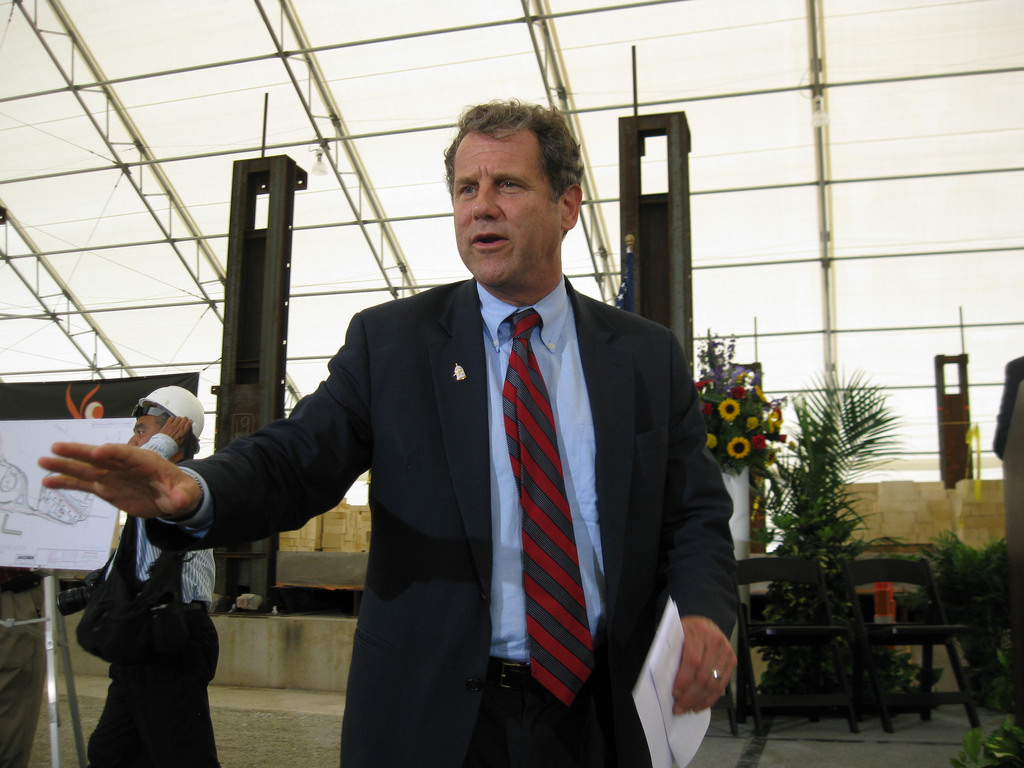
Sherrod Brown (OH) – Brown’s win in increasingly red Ohio has some saying he could appeal to the leftwing base of the Democratic Party and the many Obama-Trump voters in the country. He has always been on the left flank of the party and his rumpled authenticity evokes Bernie’s 2016 surprise run. He may be able to mount a similar surprise success.
Cory Booker (NJ) – His role in the Kavanaugh hearings and in testifying against Jeff Sessions’ (R-AL) appointment as Attorney General have made Booker well known. His extensive work on marijuana legalization and criminal justice reform will also make him an attractive prospect to some Progressives. However, his ties to Wall St. and Big Pharma will prove problematic, as will a corny personality that some see as inauthentic.
Beto O’Rourke (TX) – O’Rourke became a star running as an unabashed liberal in supposedly deep red Texas. His stunning fundraising haul ($70 million, most of it from small donors) shows that he can appeal to the base. Post-election, however, he’s already started coming under fire by Progressives for some of his policy positions and his voting record. It is unclear how well he can do against other, more progressive options.
Jeff Merkley (OR) – Merkley was the sole Senator to endorse Bernie Sanders in 2016. After 2016, he convened strategy sessions with left-leaning outside groups to combat Republican attempts to repeal Obamacare. His low name ID could be a barrier, especially running against former endorsee Sanders, but he has the policy record to be successful among Progressives.
Tulsi Gabbard (HI) – Gabbard quit her position with the DNC in 2016 to support Bernie Sanders, a move that earned her accolades from Progressives. Now she may run herself on an unabashedly progressive agenda. Her apologism for Syrian dictator Bashar al-Assad may cause her problems, but her youth and military background will be significant strengths.
There may be other progressive candidates as well. But with 9 potential candidates vying over this group of voters, locking down a base of support is already going to be a struggle.

 Breakdown Politics