 By
By The third ideological category in 2020 will be the people in the mainstream of the party. Think of these candidates as the ones following the Obama/Clinton model – trying to straddle both the moderate and progressive wings of the party. They might also describe themselves as “Practical Progressives,” or Hillary Clinton’s “Progressive who likes to get things done.”
Theoretically, these candidates have the greatest potential ceilings on their support since everyone in the party can find something to like. But by the same token, these candidates may wind up running without a base. If a voter really cares about an issue, why go for a moderate when you could get the real deal? Just ask Marco Rubio how his wing-straddling strategy worked out.
Regardless, these candidates should not be underestimated. If one does establish a solid base, they could quickly build unstoppable momentum.
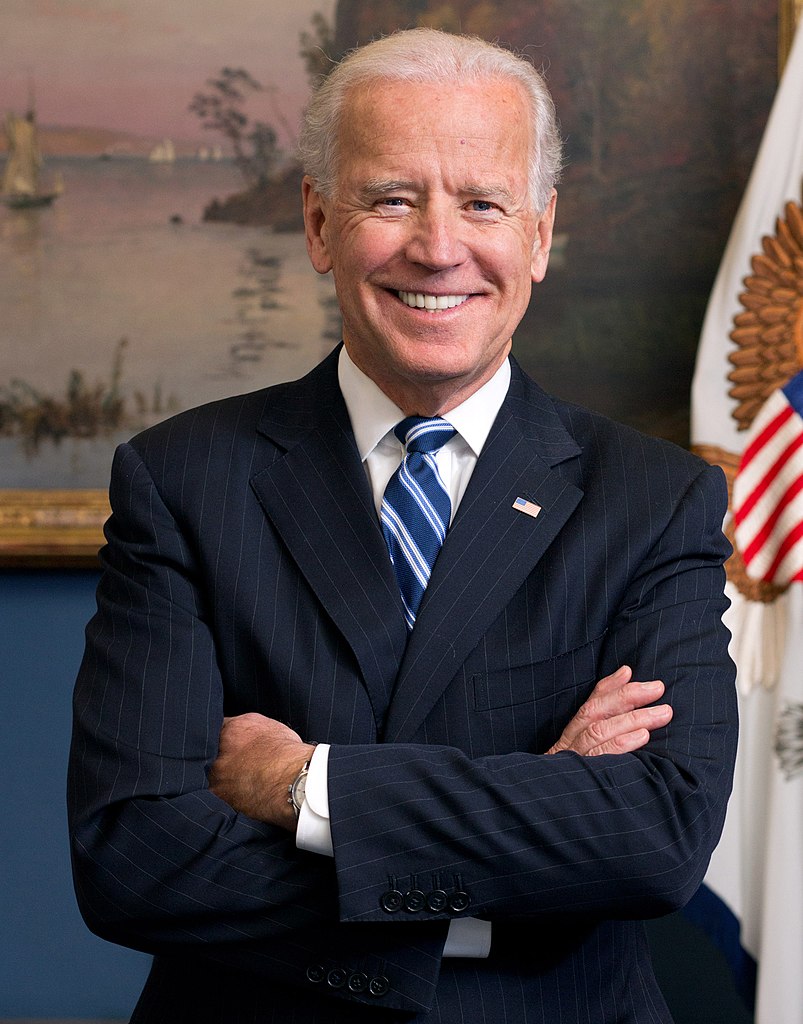
Joe Biden (VP): The former Vice President is currently polling at around 30% nationally, putting him at the top of the Democratic field. Biden has sky-high favorables and vast connections, making him the clear frontrunner. He is, however, a weak frontrunner. For context, Hillary Clinton (D-NY) was polling in the mid-40s at this point in the 2008 cycle and still lost. Further, Biden has a long record to provide plenty of ammo for critics, ranging from his treatment of Anita Hill to his role in mass incarceration. Biden currently leads the field, but he is far from having the nomination locked up.
Amy Klobuchar (MN): This senior Senator from Minnesota and former federal prosecutor has been considered a potential top-tier contender for years. She won reelection by a whopping 26 points in a state that Hillary only won by 1, giving her a strong electability argument. Her calm handling of a raging Brett Kavanaugh during his confirmation hearings earned her national attention and praise. Given her proximity to Iowa and the fact that the last Democratic President was a Senator from the Midwest, Klobuchar could have a good shot.
Beto O’Rourke (TX): O’Rourke became a star running as an unabashed liberal in supposedly deep red Texas. His stunning fundraising haul ($70 million, most of it from small donors) shows that he can appeal to the base. Post-election, however, he’s already started coming under fire by Progressives for some of his policy positions and his voting record. It is unclear how well he can do against other, more progressive options.
Jay Inslee (WA): One of the most prominent Democratic governors and the former chair of the Democratic Governors Association, Inslee will have strong elite relationships if he runs. He has earned national attention for his lawsuit against Trump’s travel ban and his aggressive efforts to fight climate change. That profile could prove useful among Progressives, but Inslee may have to struggle against an establishment brand and the dreaded label of “costal elite.”
Andrew Cuomo (NY): The son of another prominent Democratic governor and a strong ally of the Clintons, Cuomo will have a formidable war chest and campaign apparatus if he decides to run. He has some notable Progressive achievements (legalizing marriage equality in NY, strengthening gun control laws, banning fracking), but has established a reputation as a practical leader. Progressive distaste for the governor and swirling corruption scandals may prove damning obstacles, however.
Seth Moulton (MA): The military veteran and upstart Congressman has built a reputation on opposing Establishment Democrats. He has also worked hard to recruit other veterans to run for office as Democrats. His independence could be an advantage in a Democratic primary, but his recent failed effort to oust Nancy Pelosi earned pushback from constituents and could damage his brand.
Tim Ryan (OH): Like Moulton, Ryan has built a reputation as an independently-minded Democrat and shown a willingness to buck party leadership. Ryan has suggested that his path to the White House would run through the “yoga vote,” suggesting that he sees a viable base of support in the suburbs. However, like Moulton, his failed effort to deny Pelosi the Speakership may backfire among the types of suburban white women voters he was planning to appeal to.

 Breakdown Politics